




Erosion Control Blankets for Homeowners: What They Are, Why They Matter, and When to Use Them
If you are dealing with bare soil, a new lawn, a backyard slope, drainage runoff, or washouts after heavy rain, an erosion control blanket can be one of the smartest investments you make for your property.
After more than 20 years working with erosion and sediment control products, I can tell you this: most homeowners wait too long to address erosion. By the time rills, gullies, seed washout, or muddy runoff become obvious, the problem is already costing more time and money to fix. The good news is that many residential erosion issues can be controlled early with the right blanket, proper installation, and a little planning.
In this guide, I’ll explain what erosion control blankets for homeowners are, where they work best, and how to choose the right type for your project.
What Is an Erosion Control Blanket?
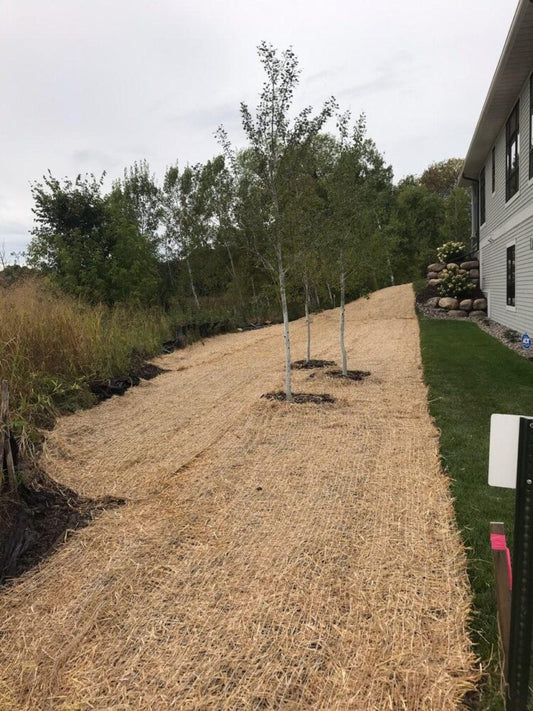
An erosion control blanket is a rolled material designed to protect exposed soil from rain impact, wind, and runoff while helping seed germinate and vegetation establish. It acts like a temporary protective layer over the ground.
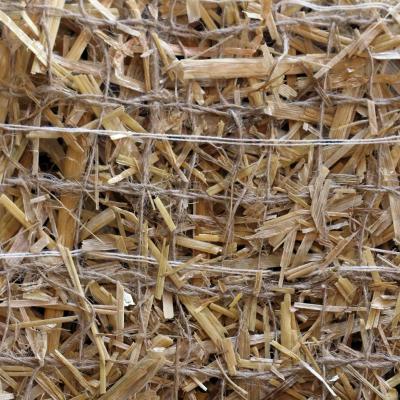
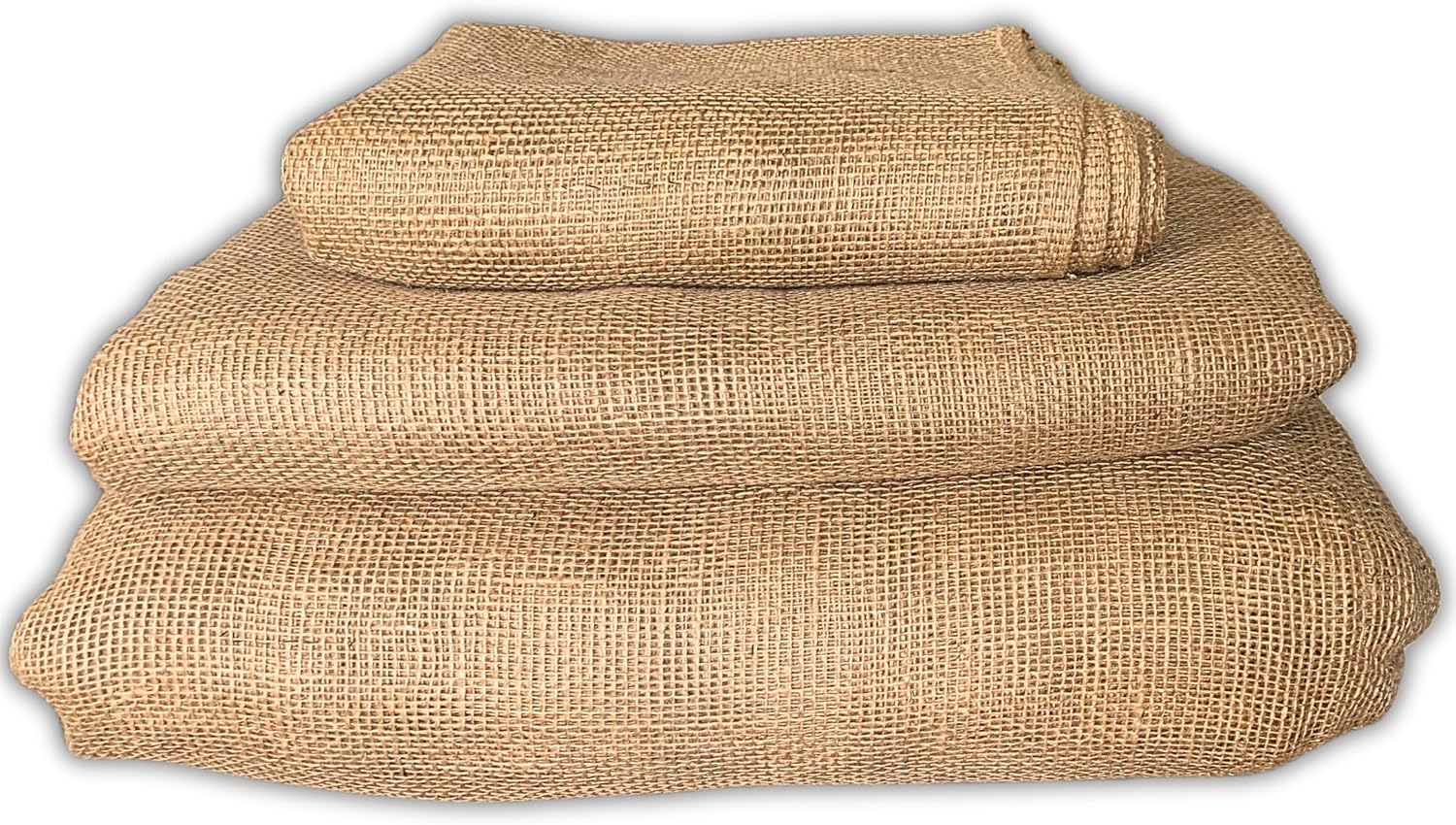
Most blankets are made from natural fibers such as straw, coconut, or excelsior, held together with netting. Once installed, they help keep the soil in place, reduce moisture loss, and improve conditions for seed growth.
For homeowners, erosion control blankets are commonly used on:
- Sloped backyards
- New lawn installations
- Drainage swales
- Ditches
- Shoreline edges
- Landscaped berms
- Areas around new construction or grading
- Bare soil prone to washouts
Why Homeowners Need Erosion Control Blankets
Many homeowners assume grass seed alone will solve erosion. In flat, protected areas, that may work. But on slopes or anywhere water moves across the surface, seed without protection often fails.
An erosion control blanket helps by:
1. Preventing Soil Loss
Heavy rain can quickly wash away topsoil, especially on newly graded or seeded ground. A blanket helps hold the soil in place until vegetation takes root.
2. Protecting Grass Seed
Without cover, seed can be displaced by wind, rain, birds, or water flow. A blanket keeps seed where it belongs.
3. Retaining Moisture
Blankets help reduce evaporation, which improves germination and gives young grass a better chance to establish.
4. Slowing Runoff
On residential slopes, water can build speed fast. An erosion blanket breaks the force of runoff and reduces surface movement.
5. Improving the Look of Your Project
Bare, damaged soil makes a yard look unfinished. A properly installed erosion control blanket helps create a cleaner, more professional appearance during establishment.
Common Residential Areas Where Erosion Blankets Work Best
From my experience, homeowners most often need erosion control blankets in these situations:
Backyard Slopes
Even a moderate slope can start losing soil after repeated rainfall. If you have a hill behind your home, around a walkout basement, or along a side yard, blanket protection is often a wise choice.
New Lawn Seeding
Freshly seeded lawns are vulnerable, especially on uneven ground. A blanket helps stabilize the soil and improves seed success.
Drainage Channels and Swales
If stormwater runs through a low spot on your property, it can cut channels into the soil. Erosion blankets help protect those areas while vegetation gets established.
Around Retaining Walls and Landscaping Projects
Whenever soil is disturbed during landscaping, the risk of erosion increases. Blankets can protect that investment.
Shoreline or Pond Edges
For homes near water, erosion can become a serious long-term issue. In many cases, blankets are part of the first stage of stabilization.
Types of Erosion Control Blankets for Homeowners
Not every project needs the same blanket. Choosing the right product depends on slope, water flow, project duration, and budget.
Straw Erosion Control Blankets
These are a popular choice for homeowners because they are economical and effective for light to moderate erosion control.
Best for:
- Lawn seeding
- Gentle to moderate slopes
- General residential projects
Coconut Erosion Control Blankets
Coconut fiber blankets typically last longer and perform better on steeper slopes or in areas with more demanding conditions.
Best for:
- Longer-term protection
- Steeper grades
- Higher runoff areas
Excelsior Erosion Control Blankets
Made from wood fibers, excelsior blankets offer good coverage and are often used where strong vegetation establishment is important.
Best for:
- Seeded slopes
- Landscape restoration
- Areas needing durable surface protection
How to Know If Your Property Needs an Erosion Control Blanket
You should seriously consider an erosion control blanket if you notice any of the following:
- Bare soil on a slope
- Seed washing away after rain
- Small channels forming in the soil
- Mud collecting at the bottom of a hill
- Water running across your yard during storms
- Trouble getting grass to grow on a grade
- Freshly disturbed ground from construction or landscaping
In simple terms, if water is moving soil, you need stabilization.
How Erosion Control Blankets Help Grass Grow
A lot of homeowners focus only on erosion prevention, but one of the biggest benefits of a blanket is improved vegetation establishment.
When installed correctly, the blanket creates a better growing environment by holding seed in place, reducing drying, and shielding the soil surface from direct rain impact. That means stronger germination, more even coverage, and fewer patchy areas.
This is one reason erosion control blankets are often far more effective than simply spreading straw by hand. Loose straw can blow away, shift, or create uneven coverage. A properly manufactured blanket stays where you put it and performs more consistently.
Installation Tips for Homeowners
Even the best blanket will not perform properly if it is installed poorly. Over the years, I’ve seen more failures caused by installation mistakes than by the product itself.
Here are a few basics:
Prepare the Soil First
Remove debris, smooth the surface, and seed the area before installing the blanket if vegetation is part of the plan.
Install in the Direction of Water Flow
Blankets should usually be rolled down the slope, not across it, unless site conditions require otherwise.
Use Proper Overlaps
Edges should overlap enough to prevent water from getting underneath the blanket.
Anchor Securely
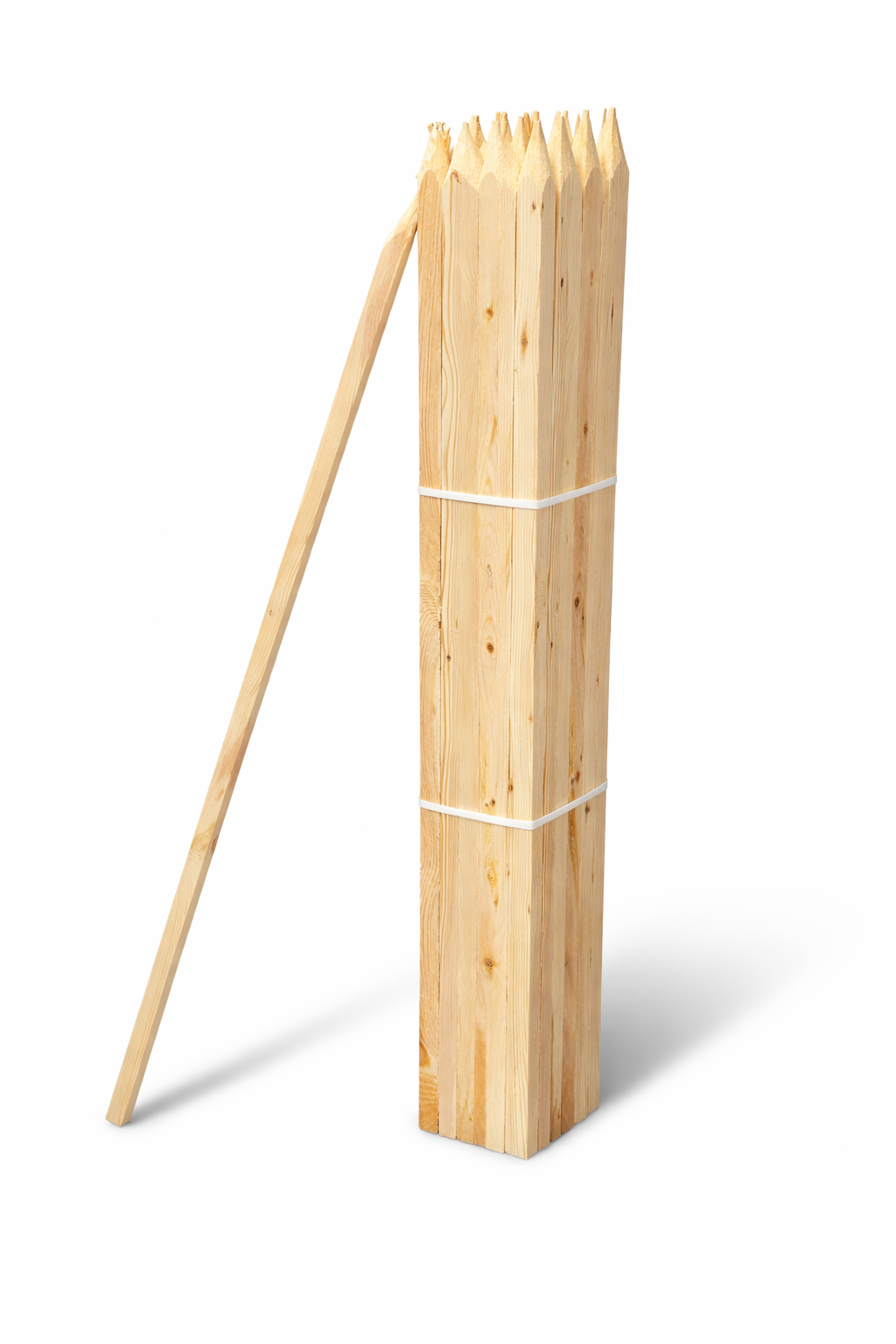
Use staples or stakes at the recommended spacing. Loose areas can lift, shift, or allow washouts beneath the material.
Start with Good Trenching
At the top of the slope, a small anchor trench is often needed to keep runoff from getting under the blanket.
If you skip these steps, even a quality erosion control blanket can fail.
Mistakes Homeowners Should Avoid
Here are some of the most common mistakes I see in residential erosion control:
- Using no blanket at all on a slope
- Choosing the cheapest product for a demanding area
- Failing to staple the blanket securely
- Leaving gaps or loose edges
- Installing over rough, unprepared soil
- Expecting seed to succeed without moisture and maintenance
- Using the wrong product in concentrated flow areas
If runoff is strong or persistent, you may need more than just a blanket. Some situations require wattles, check dams, grading corrections, drainage improvements, or professional site review.
Are Erosion Control Blankets Worth It for Homeowners?
In most cases, yes.
Compared with the cost of reseeding, replacing lost topsoil, repairing washed-out landscaping, or dealing with recurring muddy runoff, an erosion control blanket is usually a cost-effective solution.
For homeowners, the real value is not just in stopping erosion today. It is in helping the area establish properly so the problem does not keep coming back.
Final Thoughts
If you are trying to protect a slope, establish grass, or stop soil from washing away, erosion control blankets for homeowners are a practical and proven solution. They are simple, effective, and widely used because they work.
After two decades in this industry, my advice is straightforward: do not wait until minor erosion turns into a bigger repair. Stabilize disturbed soil early, choose the right blanket for the conditions, and install it correctly the first time.
That approach saves money, protects your property, and gives your lawn or landscape the best chance to succeed.
Need Help Choosing the Right Erosion Control Blanket?
Contact us for practical advice and reliable erosion control products for residential and commercial projects.
